When growing vegetables, it is easy to focus on watering, sunlight, soil, and fertilizer. However, there is another important part of vegetable production that gardeners sometimes overlook. That is pollination.
Many vegetable plants produce flowers before they produce the vegetables we harvest. These flowers often need pollen to move from one part of the flower to another or between flowers. Pollinators such as bees can help make this happen.
Understanding pollination can help gardeners understand why a healthy looking plant sometimes produces fewer vegetables than expected.
What Is Pollination?
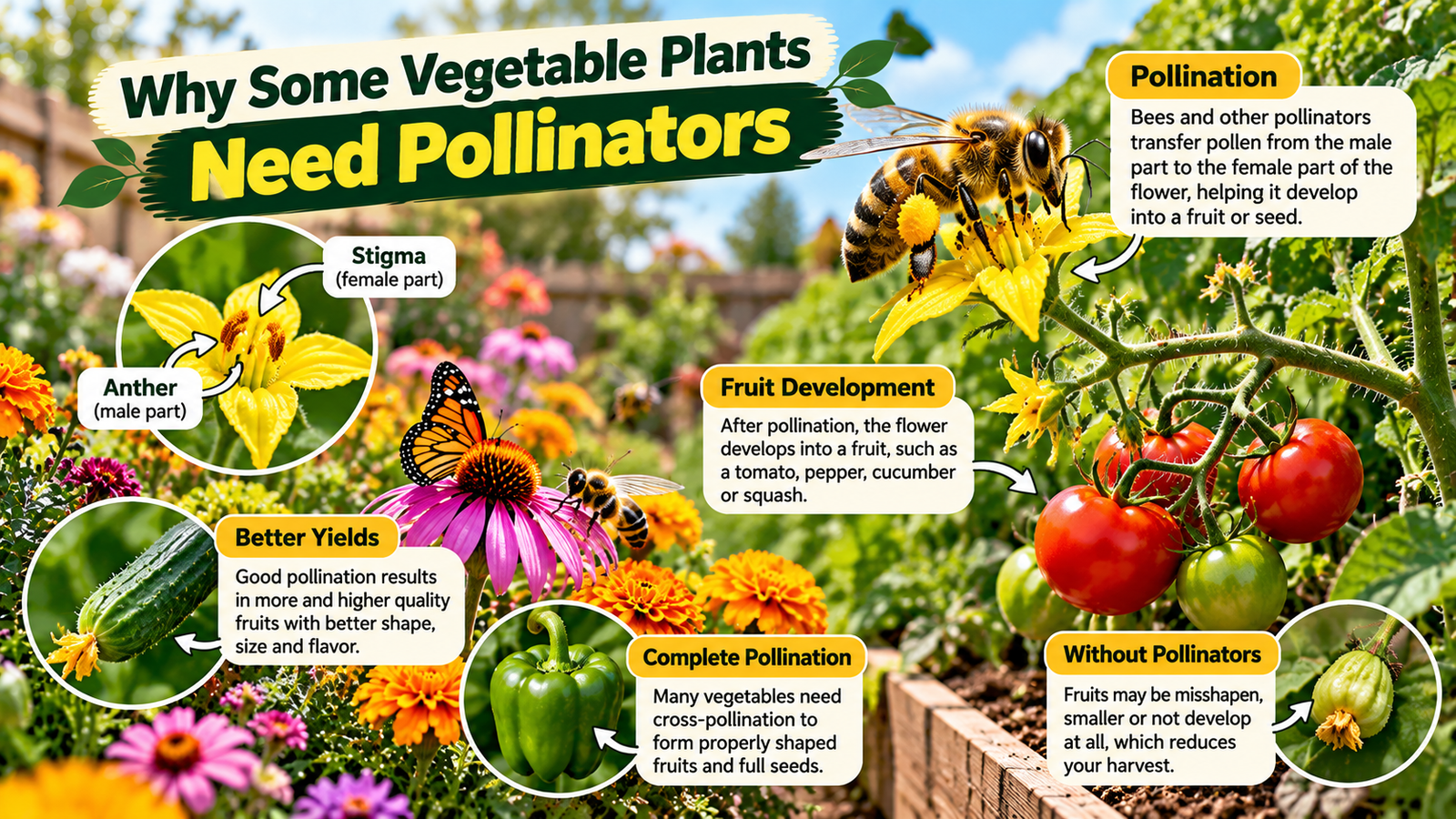
Pollination is the movement of pollen that allows flowering plants to reproduce.
Pollen needs to reach the appropriate part of a flower for fertilization to occur. Depending on the plant, pollen may be moved by wind, insects, animals, or other natural processes.
In many vegetable gardens, insects are important pollinators.
Why Bees Matter
Bees are among the most effective pollinators for many flowering vegetable plants.
As bees collect nectar and pollen, they move between flowers. Pollen can stick to their bodies and be transferred as they visit other flowers.
This natural behavior can help vegetable plants produce fruit.
Vegetables That Benefit From Pollination
Many common garden crops benefit from pollinators.
Cucumbers, squash, pumpkins, melons, and other crops can depend heavily on insect activity.
Beans and some other flowering vegetables can also benefit from pollination.
Tomatoes have a different pollination process and can often self pollinate, but insects can still play a useful role in moving pollen within flowers.
What Happens With Poor Pollination?
Poor pollination can result in flowers that do not develop into normal fruits.
A gardener may see many flowers but very little harvest.
In some crops, fruits may develop but remain small, misshapen, or fail to mature properly.
There can be many reasons for poor fruit development, including temperature, water stress, plant health, and pollination. That is why I believe gardeners should look at the entire growing environment rather than assuming one problem is responsible.
How to Encourage Pollination
One of the easiest ways to encourage natural pollination is to attract pollinators.
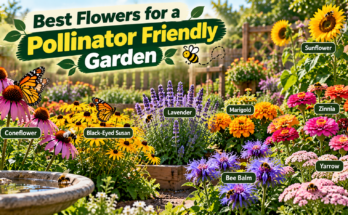
Plant flowers near vegetable beds. Choose different flowering plants so nectar and pollen are available for longer periods.
Sunflowers, zinnias, cosmos, lavender, marigolds, and suitable native flowers can make a garden more attractive to pollinators.
Avoid Unnecessary Pesticides
Protecting pollinators also means being careful with pest control.
Before applying a pesticide, identify the pest and determine whether treatment is necessary.
Some insects that appear in the garden may actually be beneficial.
A garden with a healthy population of pollinators and natural predators can often maintain better ecological balance.
Give Pollinators Water and Shelter
Food is important, but pollinators also need suitable habitat.
A shallow water source can help provide hydration. Plants, shrubs, grasses, and natural areas can provide shelter.
Different insects use different habitats, so variety is useful.
Weather Can Affect Pollination
Weather conditions can influence pollinator activity.
Very hot, cold, rainy, or windy conditions may reduce insect movement.
This is something gardeners cannot control, but understanding it can help explain why pollination sometimes varies.
If pollinators are less active during a particular period, fruit production may also be affected.
Hand Pollination Can Sometimes Help
In some situations, gardeners can manually transfer pollen between flowers.
This is particularly useful when natural pollinator activity is low.
A small brush or careful transfer between appropriate flowers can help, depending on the crop.
However, I would first focus on creating a healthy environment that naturally attracts pollinators.
Plant a Variety of Flowers
A single flower type may not support every pollinator.
A mixture of flowers with different colors, shapes, and blooming periods can attract a wider range of insects.
This is one of the simplest changes a gardener can make.

Final Thoughts
Pollinators are important because many vegetable plants depend on successful pollination before they can produce the food we harvest.
Bees and other insects can move pollen between flowers and support natural fruit production.
From my point of view, attracting pollinators is one of the easiest ways to improve the overall environment of a vegetable garden. Plant flowers, avoid unnecessary pesticide use, provide shelter and water, and give nature a chance to do its work.