When I think about a healthy vegetable garden, I usually think about good soil, enough sunlight, regular watering, and healthy plants. However, there is another important part of gardening that is easy to overlook. That is pollination. Without proper pollination, many vegetable plants may grow leaves and flowers but produce very little food.
Pollinators such as bees, butterflies, moths, and some other insects play an important role in vegetable gardens. They move pollen from one flower to another, helping plants produce fruits and seeds. From my experience and understanding of gardening, encouraging pollinators is one of the simplest ways to support a productive and naturally healthy garden.
What Are Pollinators?
Pollinators are insects and animals that help move pollen between flowers. This process allows many flowering plants to reproduce. Bees are among the most important pollinators, but they are not the only ones.
Butterflies, moths, beetles, flies, and some birds can also help with pollination. Different pollinators are attracted to different types of flowers, so having a variety of plants in the garden can encourage more useful visitors.
In a vegetable garden, pollinators can be especially valuable because many common vegetables depend on flowers to produce the part we eat.
Why Pollination Matters in a Vegetable Garden
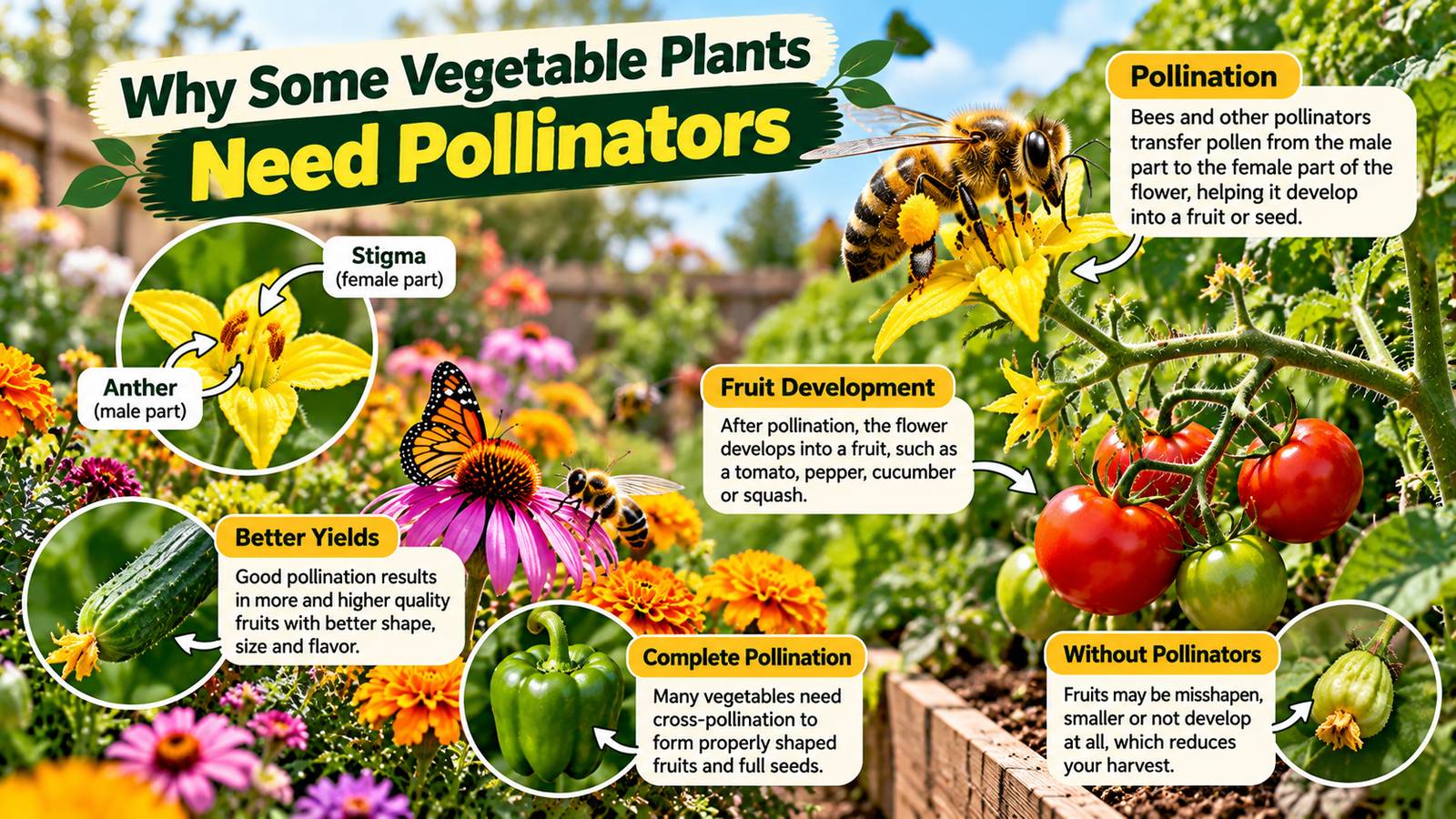
Pollination is important because many vegetables produce food after successful fertilization of their flowers. Tomatoes, cucumbers, squash, pumpkins, melons, and many other crops benefit from good pollination.
For example, a cucumber plant may produce plenty of yellow flowers, but if those flowers are not properly pollinated, the plant may produce very few cucumbers. The same idea applies to squash, pumpkins, and many other flowering vegetables.
This is why I believe gardeners should pay attention not only to their plants but also to the insects visiting those plants.
Bees Are Important Garden Pollinators
Bees are some of the most effective pollinators for vegetable gardens. As bees move from flower to flower collecting nectar and pollen, they naturally transfer pollen between flowers.
Honey bees are well known, but many native and wild bee species are also extremely useful. Bumblebees can be particularly helpful because their behavior allows them to pollinate certain flowers very effectively.
Instead of thinking of bees only as insects that make honey, I think gardeners should see them as valuable partners in the garden.
Butterflies Also Help With Pollination
Butterflies are another welcome visitor to a vegetable garden. They are attracted to colorful flowers and feed on nectar.
While butterflies may not pollinate every vegetable as efficiently as bees, they still contribute to the overall pollination process. More importantly, attracting butterflies usually means creating a garden with a greater variety of flowers and natural resources.
A garden that attracts butterflies can also become more beautiful and enjoyable to spend time in.
Pollinators Can Improve Vegetable Production
One of the biggest reasons to attract pollinators is better vegetable production. Good pollination can lead to more successful fruit formation.
Cucumbers, squash, pumpkins, melons, and many other crops can benefit from regular visits from pollinating insects. When flowers are successfully pollinated, plants have a better opportunity to produce healthy fruits.
Of course, pollination is not the only factor that affects production. Soil quality, water, temperature, plant health, sunlight, and nutrition are also important. Still, good pollination is an essential part of the process.
What Happens When Pollinators Are Missing?
A garden with very few pollinators may have flowers but limited fruit production. Sometimes gardeners notice that their plants look healthy but do not produce as much food as expected.
This can be confusing, especially for beginners. It is easy to assume that the problem is fertilizer or watering. However, poor pollination can sometimes be part of the problem.
This is why I like to observe my garden closely. If I see bees and other helpful insects visiting flowers regularly, I feel more confident that natural pollination is taking place.
How to Make a Vegetable Garden More Attractive to Pollinators
The easiest way to attract pollinators is to provide the things they need. Flowers are an important starting point.
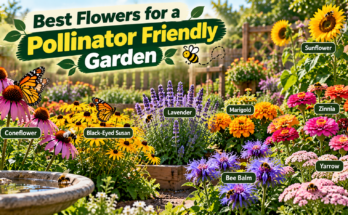
Planting flowers near vegetables gives bees and butterflies an additional reason to visit the garden. Lavender, marigolds, zinnias, sunflowers, cosmos, and many native flowering plants can provide useful sources of nectar.
I also recommend choosing flowers that bloom at different times. This can provide pollinators with food throughout a longer part of the growing season.
Avoid Unnecessary Pesticide Use
One of the most important things gardeners can do for pollinators is to avoid unnecessary pesticide use.
Some pesticides can harm helpful insects along with unwanted garden pests. Before using any pest control product, I believe it is better to identify the actual problem first.
If pests are present, gardeners can consider physical removal, barriers, hand picking, improved garden hygiene, and other less harmful approaches when appropriate.
A garden should not be completely free of insects. The goal should be to maintain a healthy balance between plants, helpful insects, and pests.
Provide Water and Shelter
Pollinators need more than flowers. They also need safe places to rest and access to water.
A shallow dish containing clean water can provide a simple drinking source. Stones or small objects can be placed in the dish so insects have safe places to land.
Leaving a small natural area in the garden can also provide shelter for useful insects. Not every part of the garden needs to look perfectly clean and organized.
Grow Different Types of Flowers
A variety of flowers can attract a wider variety of pollinators. Different insects have different preferences for flower shape, color, fragrance, and nectar availability.
For this reason, I prefer a mixed garden rather than planting only one type of flower.
You can grow flowers around vegetable beds, along garden borders, in containers, or in small unused spaces. Even a small flowering area can make a difference.
Pollinators Support a Healthy Garden Ecosystem
Pollinators are part of a larger garden ecosystem. When a garden provides flowers, shelter, water, and healthy growing conditions, it can support many forms of life.
Some insects pollinate plants while others help control pests. Birds may eat insects, and beneficial organisms in the soil help break down organic material.
This natural interaction is one of the things I enjoy most about gardening. A vegetable garden is not simply a place where vegetables grow. It is a small living ecosystem.

Final Thoughts
Pollinators are extremely important for vegetable gardens because they help flowering plants produce fruits and seeds. Bees, butterflies, moths, and other helpful insects can all contribute to this natural process.
From my point of view, attracting pollinators does not need to be complicated. Planting flowers, avoiding unnecessary pesticide use, providing water, and creating a welcoming environment can make a garden more attractive to beneficial insects.
If you want a productive vegetable garden, do not focus only on the vegetables. Pay attention to the pollinators too. A garden filled with flowers and useful insects can be healthier, more productive, and much more enjoyable to maintain.