Creating a pollinator friendly garden is one of the easiest ways to make a garden more welcoming to bees, butterflies, and other useful insects. When I think about a healthy garden, I do not only think about the plants growing there. I also think about the insects and other living things that interact with those plants.
A pollinator friendly garden does not need to be large or complicated. With flowers, water, shelter, and thoughtful gardening practices, even a small outdoor space can become useful to pollinators.
What Is a Pollinator Friendly Garden?
A pollinator friendly garden is a garden designed to provide food, shelter, water, and suitable habitat for pollinating insects.
Bees, butterflies, moths, and other insects visit flowers to collect nectar and pollen. As they move between flowers, they can transfer pollen and support plant reproduction.
This makes pollinators an important part of many vegetable gardens.
Start With Flowering Plants
The first step is to grow flowers that provide nectar and pollen.
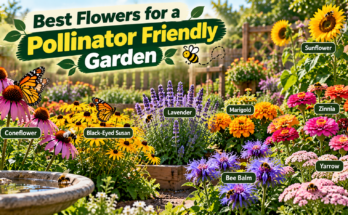
Sunflowers, zinnias, cosmos, lavender, marigolds, and suitable native flowering plants can all be useful choices.
I recommend choosing several varieties rather than relying on only one type of flower. Different flowers attract different insects.
Choose Native Plants
Native plants can be especially valuable because local pollinators may already be adapted to them.
They are also often better suited to local temperatures, rainfall, and soil conditions.
When planning a pollinator friendly garden, I like to consider which flowering plants naturally grow well in the area rather than choosing plants only because they look attractive.
Provide Flowers During Different Seasons
Pollinators need food throughout the growing season.
If all your flowers bloom at the same time, there may be periods when very little food is available.
Choosing plants with different blooming periods can create a more consistent source of nectar and pollen.
This can make your garden useful for a longer period.
Add a Water Source
Pollinators need water as well as food.
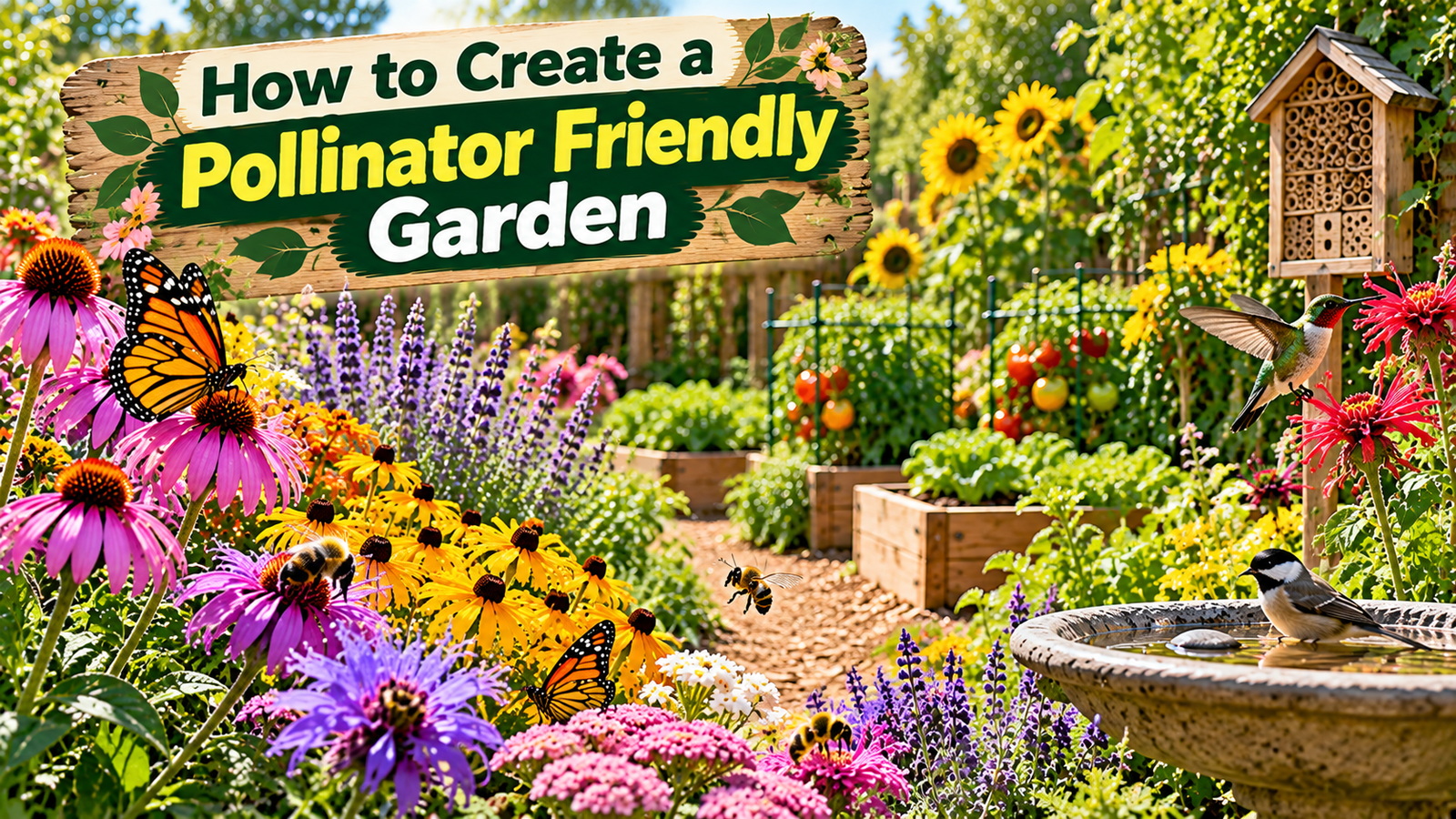
A shallow dish with clean water can provide a simple drinking area. Adding stones or other safe landing surfaces can help insects reach the water without falling in.
The water should be refreshed regularly, particularly during hot weather.
Create Shelter
A pollinator friendly garden should include places where insects can rest and find protection.
Trees, shrubs, tall plants, grasses, fallen leaves, and natural areas can provide shelter from wind and extreme weather.
Not every part of the garden needs to be perfectly tidy.
A little natural space can actually make the garden more useful to wildlife.
Avoid Unnecessary Pesticides
One of the most important rules for a pollinator friendly garden is to avoid unnecessary pesticide use.
Some pest control products can harm beneficial insects.
Before treating a problem, identify the insect and determine how much damage it is actually causing.
Sometimes natural predators are already controlling the problem.
Create Groups of Flowers
Planting flowers in groups can make them easier for pollinators to find.
Instead of scattering single flowers across a large area, you can create small clusters of similar plants.
This can also make the garden look more attractive and organized.
Include Different Flower Shapes
Different pollinators have different body shapes and feeding habits.
Some insects can reach deep into tubular flowers, while others prefer open flowers.
Growing flowers with different shapes can support a wider range of pollinators.
Combine Flowers With Vegetables
A pollinator friendly garden can also be a productive vegetable garden.
Flowers can be planted around vegetable beds or in nearby containers.
This creates a mixed environment where vegetables provide food for people and flowers provide resources for pollinators.
Leave Some Natural Areas
If possible, leave a small part of your garden relatively natural.
Natural soil, leaves, plant stems, and other materials can provide habitat for insects.
You do not have to allow the whole garden to become wild. A small designated area can be enough to increase habitat diversity.

Final Thoughts
Creating a pollinator friendly garden is mostly about providing the basic things insects need.
Flowers provide food, water provides hydration, plants provide shelter, and careful gardening practices help reduce unnecessary risks.
From my point of view, the best pollinator garden is one that feels natural rather than overly complicated. Even a small collection of flowering plants can make a meaningful difference when it is managed thoughtfully.