A vegetable garden is home to many different insects. Some can damage plants, while others can help protect them. For a gardener, learning how to encourage helpful insects can be a simple and natural way to support garden health.
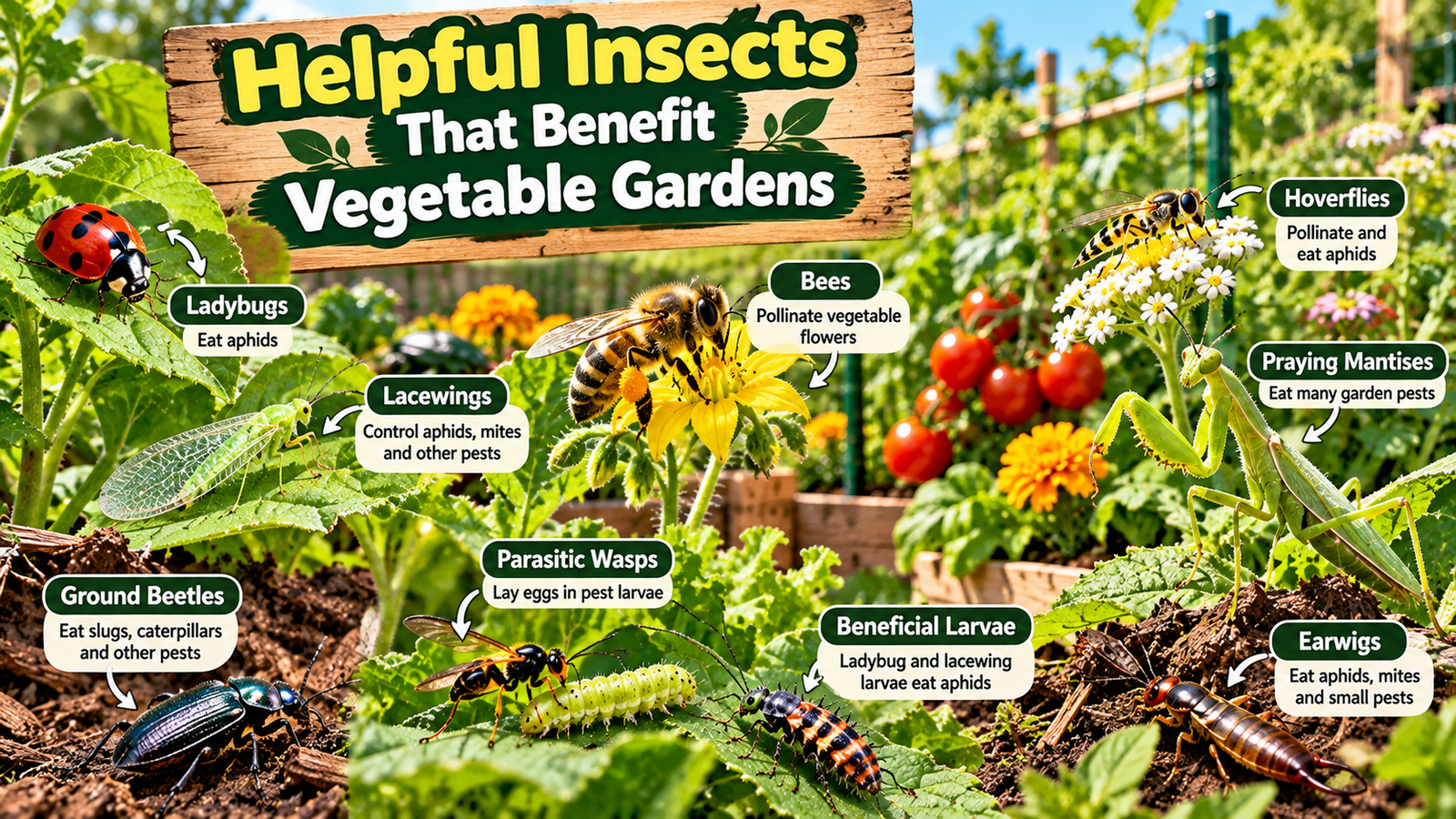
Beneficial insects include pollinators such as bees and butterflies as well as predators such as ladybugs, lacewings, hoverflies, and some beetles. Creating the right environment can encourage these insects to visit and remain in the garden.
Why Helpful Insects Matter
Helpful insects can perform several important jobs.
Bees and butterflies support pollination. Predatory insects can feed on aphids, insect eggs, larvae, and other pests.
This natural activity can help maintain balance in the garden.
I do not expect beneficial insects to eliminate every pest, but they can be an important part of an overall garden management strategy.
Grow More Flowers
Flowers are one of the best ways to attract beneficial insects.
Many adult beneficial insects need nectar or pollen. Growing flowers gives them an additional food source.
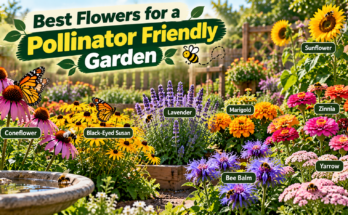
Sunflowers, zinnias, cosmos, lavender, marigolds, and local flowering plants can all be useful.
Planting flowers around vegetable beds can also make the garden more attractive.
Avoid Unnecessary Pesticides
If you want helpful insects in your garden, avoid using pesticides unnecessarily.
A pesticide may affect beneficial insects along with pests.
Before treating a plant, identify the insect and determine whether it is actually causing serious damage.
Sometimes the best solution is simply to wait and observe.
Learn to Identify Beneficial Insects
One of the biggest mistakes gardeners can make is removing a helpful insect because they think it is a pest.
Ladybugs, lacewings, hoverflies, ground beetles, and other beneficial insects may look unfamiliar.
Learning basic insect identification can help you make better decisions.
Provide Shelter
Helpful insects need places to rest and hide.
Trees, shrubs, grasses, leaves, plant stems, and natural ground cover can provide shelter.
A garden that contains several types of plants generally provides more habitat than a garden with only one type of crop.
Provide Water
Water can make your garden more welcoming to insects.
A shallow container can provide a simple water source. Adding stones gives insects safe places to land.
Keep the water clean and replace it regularly.
Plant Native Species
Native plants can be valuable because they are adapted to local conditions and may already have relationships with local insects.
They can also require less maintenance when grown in suitable conditions.
When choosing plants, I recommend considering what grows naturally and reliably in your area.
Leave Some Areas Natural
A small natural area can provide valuable habitat.
You might leave some fallen leaves, natural soil, or selected plant stems undisturbed.
This does not mean the whole garden needs to become messy. A designated natural section can provide shelter while the main vegetable beds remain organized.
Grow a Variety of Plants
Plant diversity can encourage insect diversity.
Vegetables, flowers, herbs, shrubs, and other suitable plants all provide different resources.
A mixed garden can therefore support more types of beneficial insects.
Allow Some Insects to Remain
A garden with no insects is not necessarily a healthy garden.
Seeing a few aphids, caterpillars, or other pests does not always mean immediate action is required.
Beneficial predators may find those insects and help control their population.
This is why I prefer monitoring the garden before taking action.
Create a Long Blooming Period
Planting flowers that bloom at different times can help beneficial insects throughout the growing season.
Early flowers provide food at the beginning of the season, while later flowers continue providing resources.
This can make the garden consistently useful.
Final Thoughts
Encouraging helpful insects is mostly about creating a welcoming environment. Grow flowers, provide water and shelter, plant diverse species, and avoid unnecessary pesticide use.
From my point of view, the best gardens are not those where every insect has been removed. They are gardens where helpful insects are allowed to perform their natural roles.
Once you start recognizing beneficial insects, you may begin to see your vegetable garden differently. Instead of fighting nature, you can work with it.