Fresh vegetables are an important part of my daily meals, but I have noticed that buying or growing vegetables is only part of the process. The other important part is using them wisely. When vegetables are forgotten in the refrigerator or harvested in larger quantities than needed, they can quickly become waste.
Learning how to reduce vegetable waste at home can save money, make better use of garden produce, and help create more thoughtful kitchen habits. I have found that a few simple changes can make a noticeable difference without making everyday cooking complicated.
Plan Before Buying or Harvesting
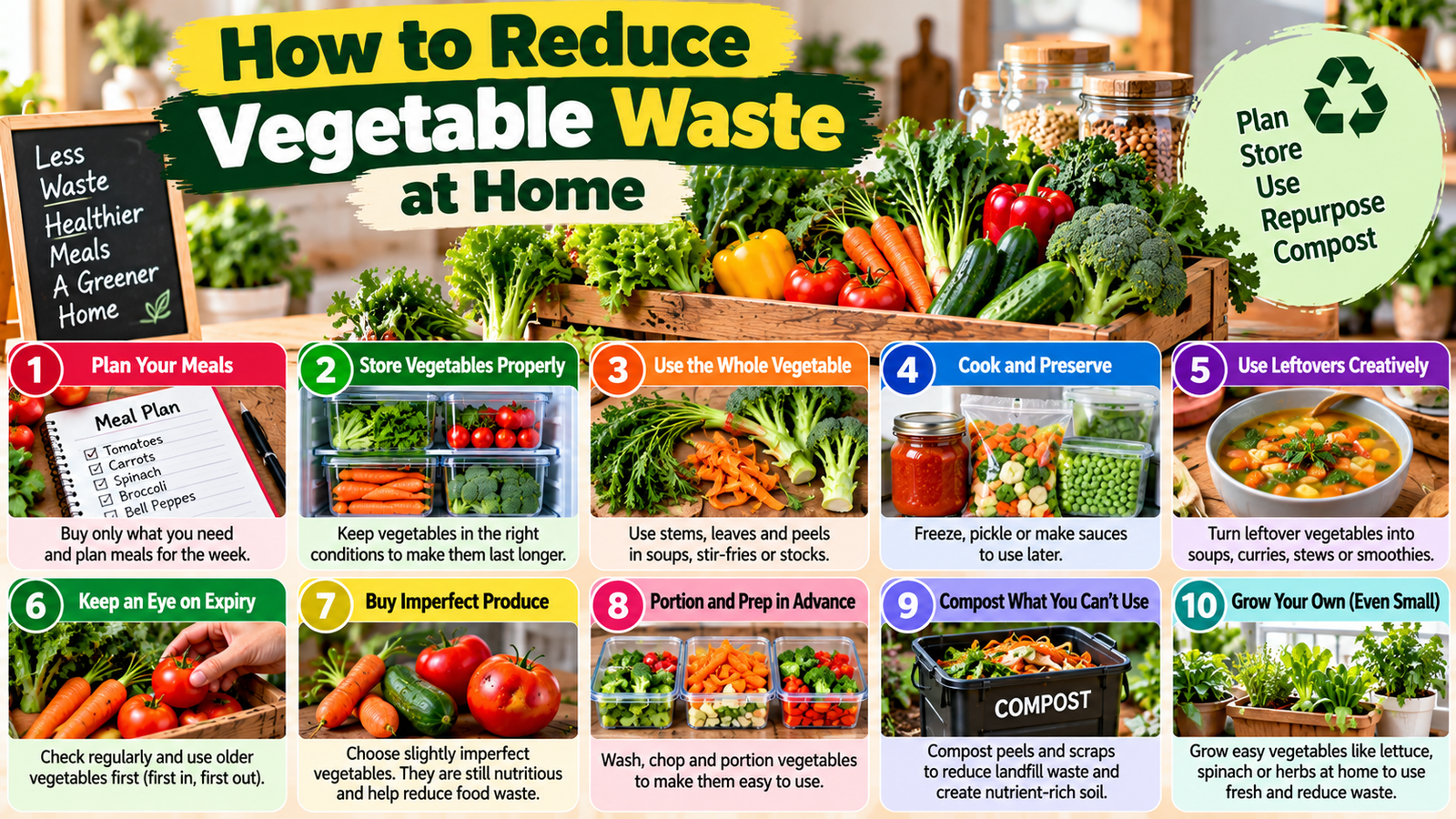
One of the easiest ways to reduce vegetable waste is to plan ahead. Before I go shopping or harvest vegetables from the garden, I think about what I will actually use during the next several days.
If I already have carrots, tomatoes, cucumbers, and leafy vegetables in the refrigerator, there may be no reason to buy more immediately.
Gardeners can use the same idea when harvesting. Instead of picking everything at once, I prefer to harvest vegetables according to their size, ripeness, and how much my family can use.
Planning helps prevent having more vegetables than necessary.
Store Vegetables Properly
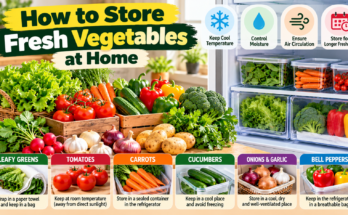
Poor storage is one of the main reasons fresh vegetables become unusable. Some vegetables lose moisture quickly, while others can spoil when exposed to too much moisture.
I try to learn the basic storage needs of each vegetable. Leafy greens usually need moisture control, carrots benefit from cool storage, and tomatoes need different treatment depending on their ripeness.
Proper vegetable storage can extend freshness and give me more time to use what I have.
Keep Older Vegetables Visible
I have found that vegetables are often wasted simply because they are forgotten. When something is hidden behind newer groceries, it becomes easy to overlook.
I try to organize the refrigerator so that older vegetables are easier to see. I use them before opening or buying newer vegetables.
This simple habit is similar to using older food first and can greatly reduce unnecessary waste.
Use Vegetables Before They Spoil
Vegetables do not always need to look perfect to be useful. Some vegetables may become slightly soft while remaining suitable for cooking.
For example, softer carrots can be added to soup, while ripe tomatoes can be used in sauces. Extra leafy vegetables can be added to cooked dishes, depending on their condition.
Of course, vegetables showing mold, a bad smell, or clear spoilage should not be used. The goal is to make use of vegetables that are still safe and suitable.
Save Vegetable Scraps When Appropriate
Some vegetable parts that are normally thrown away can have another use. Clean vegetable trimmings can sometimes be used to make homemade vegetable stock.
Carrot ends, celery pieces, onion skins, and other suitable scraps can add flavor to cooking.
I like this approach because it makes me think differently about what I consider waste.
Freeze Extra Vegetables
Freezing can be useful when I have more vegetables than I can eat fresh.
Some vegetables can be prepared and frozen for later meals. This is especially helpful after a large garden harvest.
Before freezing, vegetables should be prepared appropriately for the best quality. Once frozen, they can be used in soups, stews, curries, and other cooked meals.
Cook Larger Batches
Another simple way to use extra vegetables is to prepare larger meals.
If I have several vegetables that need to be used, I might prepare a soup, vegetable curry, stew, roasted vegetable dish, or mixed vegetable meal.
Cooking a larger batch can use several vegetables at once and provide leftovers for another meal.
Share Extra Garden Produce
Sometimes the best solution for extra vegetables is simply sharing them.
Home gardens can produce more vegetables than one household can eat, especially during the most productive part of the season.
I think sharing fresh produce with family, friends, neighbors, or community members is a wonderful way to prevent food from being wasted.
It also makes gardening more rewarding.
Grow According to Your Needs
Garden planning can also reduce vegetable waste before it happens.
Instead of planting huge quantities of every vegetable, I prefer to consider which vegetables my household actually enjoys.
If we eat tomatoes frequently, growing more tomatoes makes sense. If we rarely use a particular vegetable, growing a large quantity may create unnecessary work and waste.
Growing according to your eating habits makes a home vegetable garden more practical.
Preserve Large Harvests
When a garden produces more vegetables than I can use immediately, preservation can help.
Depending on the vegetable, options may include freezing, drying, pickling, or other appropriate preservation methods.
The important thing is to choose a method that suits the vegetable and learn proper food safety practices before preserving larger quantities.
Keep a Simple Vegetable List
A small list on the refrigerator can be surprisingly useful. I can write down what vegetables I currently have and roughly when they were purchased or harvested.
This makes it easier to plan meals and use older produce first.
It also prevents me from buying vegetables that I already have at home.

Final Thoughts
Reducing vegetable waste at home does not require major changes. I believe the biggest difference comes from being more aware of what we buy, what we grow, how we store vegetables, and how quickly we use them.
Planning meals, storing vegetables properly, using older produce first, freezing extra vegetables, sharing garden harvests, and cooking creative meals can all help.
When I make better use of the vegetables already available, I save money, waste less food, and get more value from every garden harvest or grocery trip.