When most people see an insect in the vegetable garden, their first reaction may be to remove it. I understand this because some insects can damage vegetables quickly. However, not every insect is harmful. In fact, many insects are extremely helpful and can support a healthier garden.
Helpful insects can pollinate flowers, control pests, break down organic material, and contribute to the natural balance of the garden. Learning to identify beneficial insects is therefore an important skill for every gardener.
Why Helpful Insects Matter
A healthy vegetable garden contains many different types of insects. Some eat plants, some eat other insects, and some help flowers produce fruits.
Beneficial insects can reduce the need for frequent pest control. They are part of nature’s own system for managing garden problems.
Instead of trying to eliminate every insect, I believe gardeners should learn which insects are helpful and which ones actually cause damage.
Bees
Bees are among the most important beneficial insects in a vegetable garden.
They collect nectar and pollen from flowers while moving between plants. During this process, they transfer pollen and help flowering plants produce fruits and seeds.
Cucumbers, squash, pumpkins, melons, and many other crops can benefit from bee activity.
Creating a garden with flowering plants is one of the best ways to encourage bees to visit.
Ladybugs
Ladybugs are well known for their attractive appearance, but they are also valuable predators.
Many ladybug species feed on aphids and other small insects that can damage vegetable plants.
When I see ladybugs in the garden, I consider them useful visitors rather than pests.
If you find ladybugs near an aphid problem, it can be better to allow them to work naturally rather than immediately reaching for a pesticide.
Lacewings
Lacewings are another useful group of insects.
Their young stages can feed on aphids and other small soft bodied pests. Adult lacewings may also contribute to pollination by feeding on nectar.
They can therefore have more than one role in a garden ecosystem.
Hoverflies
Hoverflies can easily be confused with bees because some species have similar colors.
However, hoverflies are flies rather than bees. Their larvae can feed on aphids and other small pests.
Adult hoverflies often visit flowers for nectar and can contribute to pollination.
This is a good example of why identifying an insect before removing it is so important.
Praying Mantises
Praying mantises are predators that can eat many different insects.
They may consume garden pests, but they can also eat beneficial insects. For this reason, I do not consider mantises completely selective pest controllers.
Still, they are fascinating predators and an important part of the garden food web.
The best approach is to maintain balance rather than expecting one insect to solve every pest problem.
Ground Beetles
Ground beetles are often found moving through soil and plant debris.
Many ground beetles feed on pests such as insect larvae and other small creatures.
Providing ground cover and avoiding unnecessary disturbance can help create a better environment for these useful insects.
Parasitic Wasps
Some wasps are important beneficial insects because they help control pest populations.
Certain species lay their eggs in or on pest insects. Their young then develop by using the pest as a host.
These wasps are usually much smaller and less noticeable than the large wasps people may associate with stings.
They play an important role in natural pest management.
Dragonflies
Dragonflies are impressive insects that can also help gardens indirectly.
They are predators of various flying insects and are often associated with healthy outdoor environments.
Although they are not a replacement for other forms of pest control, their presence can be a positive sign of insect diversity.
Butterflies
Butterflies are best known for pollination and beauty.
They visit flowers to feed on nectar and can transfer pollen while moving between blooms.
Although they may not be as effective as bees for every crop, they contribute to the overall pollinator community.
Adding flowering plants can attract butterflies and make the garden more diverse.
How to Protect Helpful Insects
Protecting beneficial insects starts with avoiding unnecessary pesticide use.
Before treating a plant, identify the insect and determine whether it is actually causing damage.
If the insect is beneficial, allowing it to remain may help solve other pest problems naturally.
Providing flowers, shelter, water, and natural areas can also support beneficial insects.
Plant Flowers Around Vegetable Beds
Flowers are an excellent way to support many beneficial insects.
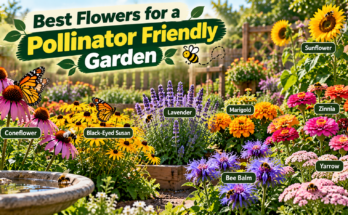
Sunflowers, zinnias, cosmos, marigolds, lavender, and suitable native flowers can provide nectar and pollen.
Planting flowers around vegetable beds creates a more diverse environment and can attract both pollinators and predatory insects.
Give Helpful Insects a Place to Live
Beneficial insects need shelter and suitable habitats.
Leaving some natural vegetation, keeping certain soil areas undisturbed, and growing different types of plants can provide useful habitats.
A garden does not have to look perfectly controlled to be productive.
In fact, some natural variation can make the garden more supportive of beneficial insects.
Identify Insects Before Removing Them
This is one of the most useful habits I have learned about gardening.
When I see an unfamiliar insect, I do not immediately assume it is harmful. I first try to identify it.
A quick identification can reveal whether the insect is a pest, predator, pollinator, or harmless visitor.
This simple step can prevent gardeners from accidentally killing insects that could have helped their plants.
Maintain Garden Diversity
A diverse garden is generally more supportive of beneficial insects.
Different flowers, vegetables, herbs, and natural areas create different food and shelter opportunities.
Instead of planting only one crop, consider mixing suitable plants and adding flowers around the garden.
This can create a more balanced environment.
Do Not Expect Perfect Pest Control
Even a garden full of beneficial insects will still have some pests.
The goal is not to create a garden with zero insects. That would be unrealistic.
The goal is to maintain a balance where pests do not cause unacceptable damage and beneficial insects are allowed to perform their natural roles.
This approach can make gardening less stressful and more sustainable.

Final Thoughts
Helpful insects are an important part of a healthy vegetable garden. Bees and butterflies support pollination, while ladybugs, lacewings, hoverflies, ground beetles, parasitic wasps, and other predators can help control unwanted insects.
From my point of view, learning to recognize beneficial insects changes the way you look at a garden. Instead of seeing every insect as a problem, you begin to understand that many of them are working alongside you.
The best vegetable garden is not necessarily the one with the fewest insects. It is the one where plants, pollinators, predators, soil organisms, and gardeners can exist in a healthy balance.
By planting flowers, avoiding unnecessary pesticide use, providing shelter, and learning to identify insects, you can create a vegetable garden that is productive, diverse, and naturally welcoming to helpful insects.