Growing vegetables at home becomes much easier when you think about how different plants can grow together. I have found that choosing the right vegetable combinations can help make better use of garden space, simplify garden care, and create a more balanced growing environment. Instead of planting every vegetable separately, you can combine compatible crops in the same garden bed and make your home vegetable garden more productive.
The best vegetable combinations for a home garden are not necessarily complicated. In my opinion, the most useful combinations are those where plants have similar growing requirements but different growth habits. Some vegetables grow above the soil while others develop their main crop below the surface. Others stay small while their neighbors grow tall. When arranged carefully, these differences can help you use your available garden space more efficiently.
Why Vegetable Combinations Matter
A home garden has limited space, especially if you are growing vegetables in a small backyard. Planting compatible vegetables together can help you get more from the same area.
Different vegetables use garden space in different ways. For example, carrots develop underground while lettuce grows mainly above the soil. This means they can sometimes share the same growing area without competing heavily for physical space.
Combining vegetables can also make garden maintenance more organized. When crops with similar watering and sunlight requirements are planted together, it can be easier to care for them.
However, I believe companion planting should be approached practically. No combination can replace good soil, proper watering, sufficient sunlight, and regular pest inspection. These basic gardening practices are still the foundation of a healthy vegetable garden.
Tomatoes and Basil
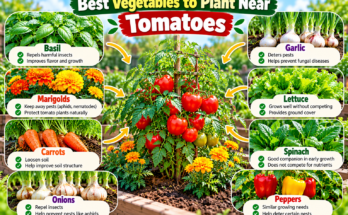
Tomatoes and basil are one of the most popular vegetable garden combinations. They have similar preferences for warm weather and plenty of sunlight, which makes them convenient to grow in the same general area.
Basil also stays relatively small compared with tomato plants, so it can fit around the edges of a tomato planting area.
I like this combination because both plants are useful in the kitchen. Fresh tomatoes and basil can be harvested from the same garden and used in salads, sauces, sandwiches, and many other meals.
When growing them together, make sure tomato plants have enough space and support. Crowded tomato plants can become difficult to maintain, so proper spacing is still important.
Carrots and Lettuce
Carrots and lettuce can be a useful combination for gardeners who want to maximize a small planting area.
Carrots grow primarily below the soil, while lettuce produces its leaves above the surface. Their different growth patterns can allow both crops to share space.
Lettuce is also relatively quick growing, so you may be able to harvest it while carrots are still developing underground.
The most important consideration is soil quality. Carrots need loose soil for good root development. If the soil is hard or compacted, prepare it before planting both vegetables.
Radishes and Carrots
Radishes and carrots are another combination worth considering. Radishes grow quickly and can help you make use of garden space while slower growing carrots are developing.
Because radishes mature faster, they can often be harvested before carrots need the full space for their development.
This combination can be especially useful in a small vegetable garden where every area matters.
I recommend planting both crops in loose soil and keeping the rows organized. Proper thinning is also important because overcrowded seedlings can produce smaller or poorly shaped roots.
Peppers and Basil
Peppers and basil can work well together because both prefer warm growing conditions and plenty of sunlight.
Basil can occupy some of the available space around pepper plants without becoming as large as many other vegetable crops.
When planting this combination, I would still leave enough space around the pepper plants for airflow and easy harvesting.
One of the advantages of growing herbs alongside vegetables is that they add variety without requiring a large amount of garden space.
Cucumbers and Beans
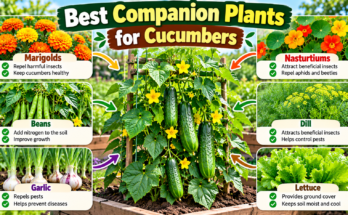
Cucumbers and beans can be combined in a garden when their growth is planned carefully. Both plants can grow vigorously, so space management is important.
One useful approach is to grow climbing varieties vertically. Trellises can help keep cucumber vines and climbing beans off the ground, making better use of vertical garden space.
I would avoid allowing these plants to completely cover nearby vegetables. Their leaves and vines can become dense, which may reduce sunlight and airflow.
Vertical gardening is particularly useful for small home gardens because it allows you to grow more without using as much ground space.
Corn, Beans, and Squash
Corn, beans, and squash are a traditional combination that is sometimes called the Three Sisters planting method.
Corn provides a tall structure that climbing beans can use for support. Squash spreads along the ground and occupies a different layer of the garden.
This combination demonstrates an important principle of vegetable garden planning. Plants with different growth patterns can sometimes share the same area more efficiently.
However, this method requires enough space and careful planning. Squash can spread considerably, and beans can compete with corn if too many are planted.
For a small garden, it may be better to use the same basic idea with fewer plants and more controlled spacing.
Lettuce and Radishes
Lettuce and radishes are excellent options for gardeners who want fast growing vegetables.
Radishes mature relatively quickly, while lettuce can be harvested at different stages depending on the variety.
Both crops can be useful in cooler growing conditions, although their ideal planting times depend on the local climate.
I like this combination for smaller garden beds because neither crop generally requires the amount of space needed by large vegetables such as pumpkins or sprawling squash.
Onions and Carrots
Onions and carrots can make an efficient combination because they have different root and leaf structures.
Onions produce narrow leaves above the soil while carrots develop their edible roots underground.
This can help make productive use of a garden bed when the plants are properly spaced.
The soil should be loose and well prepared, particularly for carrots. Regular watering is also important during root development.
Tomatoes and Carrots
Tomatoes and carrots can also be grown in the same home garden area when adequate space is provided.
Carrots occupy the lower part of the growing area while tomato plants grow much taller. This difference can make the combination practical.
However, tomato plants can eventually become large and shade smaller crops. I recommend placing carrots where they will still receive enough sunlight.
Supporting tomato plants with cages or stakes can also help keep them upright and make the surrounding garden easier to manage.
Beans and Carrots
Beans and carrots have different growth habits, making them another combination that can work in a home vegetable garden.
Carrots grow underground while beans grow above the soil. Bush beans can be especially convenient because they do not require a tall support structure.
If using climbing beans, make sure their support does not shade the carrots excessively.
The key is to think about the mature size of each plant rather than only looking at the size of seedlings when planting.
Spinach and Radishes
Spinach and radishes can be useful companions during cooler parts of the growing season.
Both can make efficient use of smaller garden spaces. Radishes develop quickly, while spinach can provide repeated harvests depending on the variety and growing conditions.
This combination can be particularly useful for gardeners who want to keep producing vegetables between major warm season crops.
As always, local temperatures should guide your planting schedule because vegetables perform differently depending on the climate.
Peas and Lettuce
Peas and lettuce can also be grown together when the growing season is suitable.
Peas can grow vertically if provided with support, while lettuce remains relatively low to the ground. This creates an opportunity to use both horizontal and vertical space.
If you are working with a small garden, this type of arrangement can help increase productivity without making the garden unnecessarily crowded.
Make sure the pea support is positioned so that it does not block too much sunlight from the lettuce.
How to Choose the Best Vegetable Combinations
When selecting vegetable combinations, I recommend considering five basic factors.
First, look at sunlight requirements. Vegetables that need full sun should not be placed where taller crops will completely shade them.
Second, consider water requirements. Plants with similar moisture needs are generally easier to manage together.
Third, think about mature plant size. A tiny seedling can become a large plant within a few weeks, so always plan according to the final size.
Fourth, consider root space. Combining a deep rooted vegetable with a shallow rooted crop can sometimes make better use of available soil.
Finally, think about accessibility. You should still be able to walk around the garden, water plants, remove weeds, inspect leaves, and harvest vegetables.

Avoid Overcrowding
One mistake I often see in home gardening is trying to grow too many vegetables in one small area.
It may seem like a good idea to maximize every inch of soil, but overcrowding can create more problems than benefits. Plants may compete for sunlight, nutrients, water, and air circulation.
Overcrowding can also make it harder to identify pests and diseases.
I prefer to grow fewer healthy plants with adequate spacing rather than filling the garden with too many plants. A well organized garden is much easier to maintain.
Plan Your Garden Before Planting
A simple garden plan can make vegetable combinations much easier to manage.
Before planting, draw the garden area on a piece of paper and mark where you want each crop. Consider the height, width, root system, and expected harvest time of each vegetable.
You can also keep taller plants toward the area where they will cause the least shade.
Writing down planting dates can be helpful as well. This allows you to understand which combinations performed well and which ones should be changed next season.
Final Thoughts
The best vegetable combinations for a home garden are those that make sense for your available space, climate, soil, and gardening routine. Tomatoes and basil, carrots and lettuce, radishes and carrots, peppers and basil, cucumbers and beans, and onions and carrots are just a few combinations worth considering.
I believe successful vegetable gardening is less about following complicated rules and more about observing how plants grow. Give vegetables enough sunlight, water, nutrients, and space, and choose combinations that allow each crop to develop properly.
If you have a small home garden, combining vegetables with different growth habits can be especially useful. Vertical plants can use the upper space while smaller crops occupy the ground, and root vegetables can make use of the soil below.
With a little planning, the right vegetable combinations can help you create a productive, organized, and enjoyable home garden. The more you observe your plants each season, the better you will become at deciding which vegetables belong together in your own garden.