When I plan a vegetable garden, I do not only think about which vegetables I want to grow. I also think about which vegetables grow well together. Some plants can share the same garden space comfortably because they have similar sunlight, water, and soil requirements. Others can be placed together because their growth habits make better use of the available space.
I have found that choosing compatible vegetables can make a garden easier to manage and more productive. It can also help me make better use of limited garden space. Instead of planting every vegetable randomly, I prefer to organize my garden according to the needs and growth habits of different plants.
In this article, I will explain some of the best vegetables to grow together and how I approach companion planting in a practical vegetable garden.
Why Growing Vegetables Together Matters
Growing vegetables together is useful for several reasons. First, it allows me to make better use of garden space. Some vegetables grow upward while others spread close to the ground. Combining them carefully can help me use different levels of the same garden area.
Another advantage is that vegetables with similar growing requirements can be easier to maintain together. If two crops need similar amounts of water and sunlight, I can care for them at the same time.
Growing compatible vegetables together can also create a more organized garden. I find it easier to remember where everything is planted when I group vegetables according to their needs.
However, I do not believe that every popular companion planting combination automatically guarantees better growth. Good soil, proper spacing, sunlight, watering, and regular maintenance are still the foundation of a healthy vegetable garden.
Tomatoes and Carrots
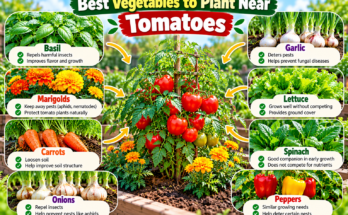
Tomatoes and carrots can be a useful combination in a home vegetable garden. Carrots grow underground while tomato plants grow above the soil, so they use space differently.
I like combinations such as this because the crops do not compete for exactly the same growing area. Carrots can be planted around suitable tomato plants as long as there is enough room for both.
Tomatoes need plenty of sunlight and adequate support, while carrots prefer loose soil so their roots can develop properly.
When planting them together, I make sure the tomato plants are not so large that they completely shade the carrots.
Lettuce and Radishes
Lettuce and radishes are two vegetables that can work well together, especially in a small garden. Radishes grow relatively quickly, while lettuce can continue developing after the radishes have been harvested.
This makes the combination useful when I want to make efficient use of garden space.
I usually leave enough room between plants so that both crops have good airflow. Since both vegetables can be grown in relatively small spaces, they are also suitable for raised beds and container gardens.
Carrots and Onions
Carrots and onions are another combination I consider when planning a vegetable garden. Both can be grown in relatively compact areas, although they develop differently underground.
Carrots need loose soil, while onions also benefit from a well prepared growing area.
One important point is spacing. Even when two vegetables grow well together, overcrowding can create problems. I always follow the recommended spacing for the varieties I am growing.
Beans and Corn
Beans and corn can make an interesting combination because they have different growth patterns. Corn grows upright and takes advantage of vertical space, while climbing beans can use suitable support.
If I grow climbing beans with corn, I make sure the corn is strong enough to support the growing plants. I also avoid allowing bean growth to become so heavy that it damages the corn.
This combination can be especially useful in gardens where space is limited because it makes use of vertical growing space.
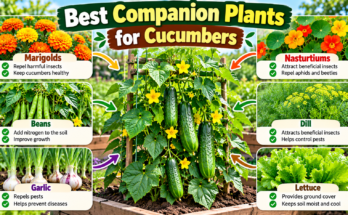
Cucumbers and Radishes
Cucumbers and radishes can also be grown in the same garden area when their spacing and sunlight requirements are considered.
Cucumber plants can spread across the ground or grow vertically with support. Radishes remain relatively small and can mature faster.
I like using fast growing vegetables such as radishes around larger crops because they can provide an additional harvest before the larger plants occupy more space.
If cucumbers are grown on a trellis, the garden floor can remain more open for smaller vegetables.
Peas and Lettuce
Peas and lettuce can be useful together, particularly during cooler growing conditions. Peas can grow vertically when provided with support, while lettuce stays low to the ground.
This creates a layered garden arrangement.
I find this type of combination helpful because it allows me to grow more than one vegetable without putting everything into separate beds.
The main thing I watch is sunlight. As pea plants become taller, they can cast shade. Depending on the season and climate, this shade may be helpful for lettuce or may become excessive.
Spinach and Radishes
Spinach and radishes are another combination that can work well in a home garden. Both can be grown in relatively small spaces and can provide useful harvests.
Radishes develop quickly, while spinach can continue producing leaves over a longer period when harvested properly.
I usually avoid planting them too densely. Good spacing gives each plant enough access to light and air and makes harvesting easier.
Broccoli and Lettuce
Broccoli takes considerably more space than lettuce, but the two can sometimes be included in the same garden area when planned carefully.
Lettuce grows close to the ground, while broccoli develops above it. During the earlier stages of broccoli growth, lettuce can make productive use of some surrounding space.
As the broccoli becomes larger, I make sure the lettuce still receives enough light and airflow.
This is a good example of why garden planning should consider the mature size of plants rather than only their size when they are seedlings.
Peppers and Basil
Although basil is an herb rather than a vegetable, I often consider it when planning a vegetable garden with peppers.
Peppers and basil can share garden space when their basic growing requirements are suitable. Both appreciate warmth and sunlight.
I find that adding herbs around vegetable beds can also make the garden more attractive and useful. However, I still give every plant enough room rather than treating companion planting as a reason to ignore spacing requirements.
Onions and Lettuce
Onions and lettuce can be useful companions because they have different growth patterns and can occupy the same general garden area without requiring identical amounts of space.
Lettuce grows as a leafy plant close to the soil, while onions develop bulbs below the surface.
I find combinations like this particularly useful in raised beds. The key is to avoid overcrowding and make sure the soil remains suitable for both crops.
Vegetables That Need Similar Conditions
One of the easiest ways to decide what vegetables grow well together is to group plants with similar needs.
For example, vegetables that prefer full sunlight can share an area that receives strong direct light. Crops that need consistent moisture can be grouped together so watering is easier.
This approach is often more practical than choosing plants based only on companion planting charts.
Before placing two vegetables together, I consider their water requirements, mature size, sunlight needs, root development, and growing season.
Think About Plant Height
Plant height is one of the most important things I consider when choosing vegetables to grow together.
Tall crops can block sunlight from shorter crops. Corn, tomatoes, and climbing beans can become quite tall, so I usually place them where they will not shade vegetables that require full sunlight.
A simple way to manage this is to put taller plants toward the northern side of the garden when possible. This can reduce the amount of shade they cast over shorter crops.
The exact arrangement depends on the garden location and the direction of sunlight.
Give Every Vegetable Enough Space
Even the best vegetable combinations can fail if plants are overcrowded.
When I plant vegetables together, I still follow recommended spacing. Plants need enough room for their roots, leaves, and overall development.
Crowded plants can have poor airflow and can become difficult to inspect, water, weed, and harvest.
I prefer growing fewer healthy plants rather than trying to fit too many vegetables into a small area.
Consider Crop Rotation
Growing compatible vegetables together is helpful, but I also think about what will happen in the next growing season.
I try not to plant the same type of crop in exactly the same location year after year. Rotating crop families around the garden can help me manage soil fertility and reduce recurring growing problems.
For example, I can move leafy crops to another section while using the previous area for a different crop family.
Crop rotation becomes easier when the garden is already divided into clear sections.
Avoid Making Companion Planting Too Complicated
There are many claims about companion planting, but I prefer to keep my approach simple.
I focus on practical factors such as sunlight, soil, water, spacing, plant size, and growing season. If two vegetables can comfortably share an area based on these factors, they are worth considering together.
I do not rely on the idea that placing two particular plants beside each other will automatically solve pest or disease problems.
A healthy garden comes from several good practices working together.

Final Thoughts
Knowing what vegetables grow well together can make vegetable gardening more organized and productive. I find that the best combinations are often those where plants have compatible growing requirements and different growth patterns.
Tomatoes and carrots, lettuce and radishes, carrots and onions, beans and corn, cucumbers and radishes, peas and lettuce, and spinach and radishes are examples of combinations that can work well when planted with proper spacing and care.
The most important thing is to understand the needs of each vegetable. I always consider sunlight, watering, soil, mature plant size, root space, and the growing season before deciding where to plant something.
For me, companion planting is not about following a complicated list of rules. It is about observing the garden and making practical decisions. With good planning, vegetables can share space comfortably, and even a small garden can produce a surprisingly useful harvest.